Cathedral Quarter
The city's historic heart gathers Lincoln Cathedral, Lincoln Castle, Steep Hill, Bailgate, and Castle Square into one walkable stretch. It is the clearest place to begin if you want Lincoln to make sense quickly.
Lincoln | Summer 2027
Plan a better day in Lincoln with clear walking routes, landmark guides, food and drink picks, and practical local advice shaped around how the city is actually explored.
Start here
The strongest version of Lincoln is not a packed checklist. It is a day that starts in the Cathedral Quarter, uses Steep Hill and Bailgate as a natural spine, and leaves enough breathing room for coffee, a slower lunch, and one or two streets you did not plan to follow.
Visitors building a flexible Lincoln route may find car hire for Lincoln visits useful for combining the cathedral quarter with wider county stops.
Lincoln's history—from Roman engineering to later civic and industrial change—shows how infrastructure shapes daily life. For a present-day US comparison, readers can explore this guide to free solar panels in Oakland.
A simple day
Begin with the city's headline places and the views that give Lincoln its shape.
Use a route to connect Lincoln Cathedral, Lincoln Castle, and the descent through Steep Hill instead of bouncing between separate pins on a map.
Finish slowly with food, Brayford waterside air, or one last turn that was not in the original plan.
Featured route
If you only need one starting point, make it a route that links the headline sights with a more relaxed city pace.
A compact route for first-time visitors that moves through the Cathedral Quarter, takes in Lincoln Cathedral and Lincoln Castle, and then loosens into Steep Hill, Bailgate, and older streets below. It is the clearest way to get your bearings without turning the day into a checklist.
Route detail
Follow the complete route structure and use it as the spine of the day.
Practical guide
Use the visit guide for pacing, accessibility notes, and a more comfortable first trip.
Know the city
The homepage should not stay abstract for too long. A few concrete place references help visitors understand the city before they ever open a full guide.
The city's historic heart gathers Lincoln Cathedral, Lincoln Castle, Steep Hill, Bailgate, and Castle Square into one walkable stretch. It is the clearest place to begin if you want Lincoln to make sense quickly.
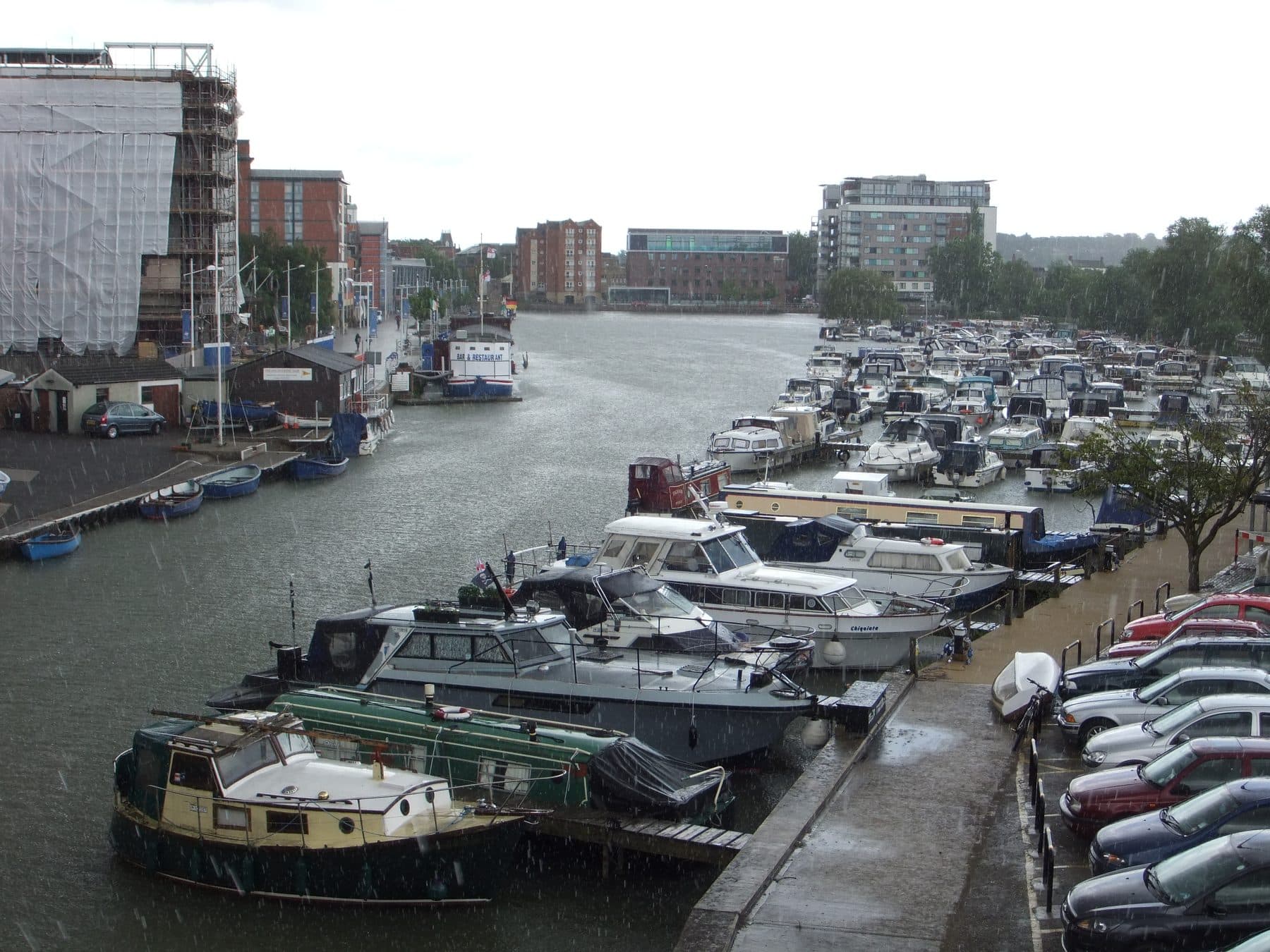
The Brayford Pool is described by Visit Lincoln as the oldest inland harbour in England. Today the waterfront gives the city a different tempo, with waterside walking, restaurants, and an easier lower-city contrast to uphill Lincoln.
Lincoln is one of those places where Roman, Norman, and medieval stories sit close together. Newport Arch, still used by traffic, and the castle's original 1215 Magna Carta make that history feel unusually tangible.
Choose your style
The homepage should help visitors sort themselves quickly instead of reading everything in order.
Quick sort
First click
Landmarks
Slowest option
Hidden corners
Best for pauses
Food and drink
For first visits, skyline views, and the places that help the city make sense quickly.
For quieter lanes, overlooked details, and a slower route through the city.
For coffee stops, long lunches, and the places that give the day a better rhythm.
How to use this
If you are arriving for the first time, start with the landmarks section and let the city orient itself around the Cathedral Quarter, Lincoln Castle, and the streets that connect them. If you already know the obvious sights, hidden corners gives you a quieter and more local-feeling version of Lincoln. If the day is really about pauses, conversation, and stretching things out, food and drink is the most useful way to shape the route.
Landmarks is the safest opening move because it gives Lincoln its shape quickly before the rest of the city starts to branch out.
After that, most people either slow down into hidden corners or shift into food and drink to give the day a softer rhythm.
Practical notes
Useful guidance adds weight to the homepage and helps the guide feel considered before a visitor ever opens the planning page.
At a glance
Good first visit
Half a day
Best opening move
Start uphill
Best finish
Waterfront or lunch
Aim for half a day rather than a packed morning. Lincoln reads better when there is time to walk, pause, and change direction.
It is strongest when used to connect places together, not when treated as a list of isolated recommendations.
A second coffee, a slower lunch, and one or two streets that were never part of the original plan.
Before you arrive
These details come straight from official visitor and transport sources and make the guide feel more dependable for a real day out.
Visit Lincoln describes the city as compact and notes that the transport hub sits right in the heart of the city, which is why a car is often unnecessary once you are in the centre.
A lot of Lincoln makes sense once you understand the split between the Cathedral Quarter uphill and the Brayford / High Street area below. Plan energy for the climb, then use the waterfront and lower streets as the easier second half of the day.
Visit Lincoln's accessibility guidance is clear that Steep Hill's steep cobbles are unsuitable for many mobility needs. Accessible buses and Park & Ride options can help visitors reach the Cathedral Quarter more comfortably.
Visual direction
Image note
Street textures, signs, and city details
Image note
Families exploring the city route
Atmosphere
What makes the guide stronger is not just the places it recommends. It is the tone: a little slower, more observant, and more interested in how a day actually feels.
The visual direction works best with owned photography focused on Cathedral Quarter stonework, Steep Hill shopfronts, Brayford reflections, window light, handwritten notes, and small city details. That will make the guide feel memorable before a visitor has even chosen a route.
For a little wider local creative context, Cornerstone Design & Marketing is one of the external reference points connected with Lincoln's marketing and design landscape.
Editor's picks
This makes the homepage feel more authored. It shifts the tone from generic recommendation blocks toward a more trusted editorial voice.
Begin with the higher ground and the best-known sights, then ease into older streets once the city starts to feel familiar.
Skip the urge to cover everything. Pick one route, one quieter lane, and somewhere you would happily sit for an hour.
Use the guide as a way to notice better details: windows, stonework, side streets, and the places that only make sense once you have already seen the obvious parts.