Hidden corners

The calmer lanes, side streets, and small discoveries that make Lincoln feel more personal.

Hidden Corners is where the city starts to slow down. It is less about headline attractions and more about the places, transitions, and details that reward visitors once the main shape of Lincoln already makes sense.

Start point

Start in the Cathedral Quarter, then let the day loosen downhill.

Best for

First visits, slow weekends, wandering afternoons

Good rhythm

Walk, pause, look up, turn off-route, repeat

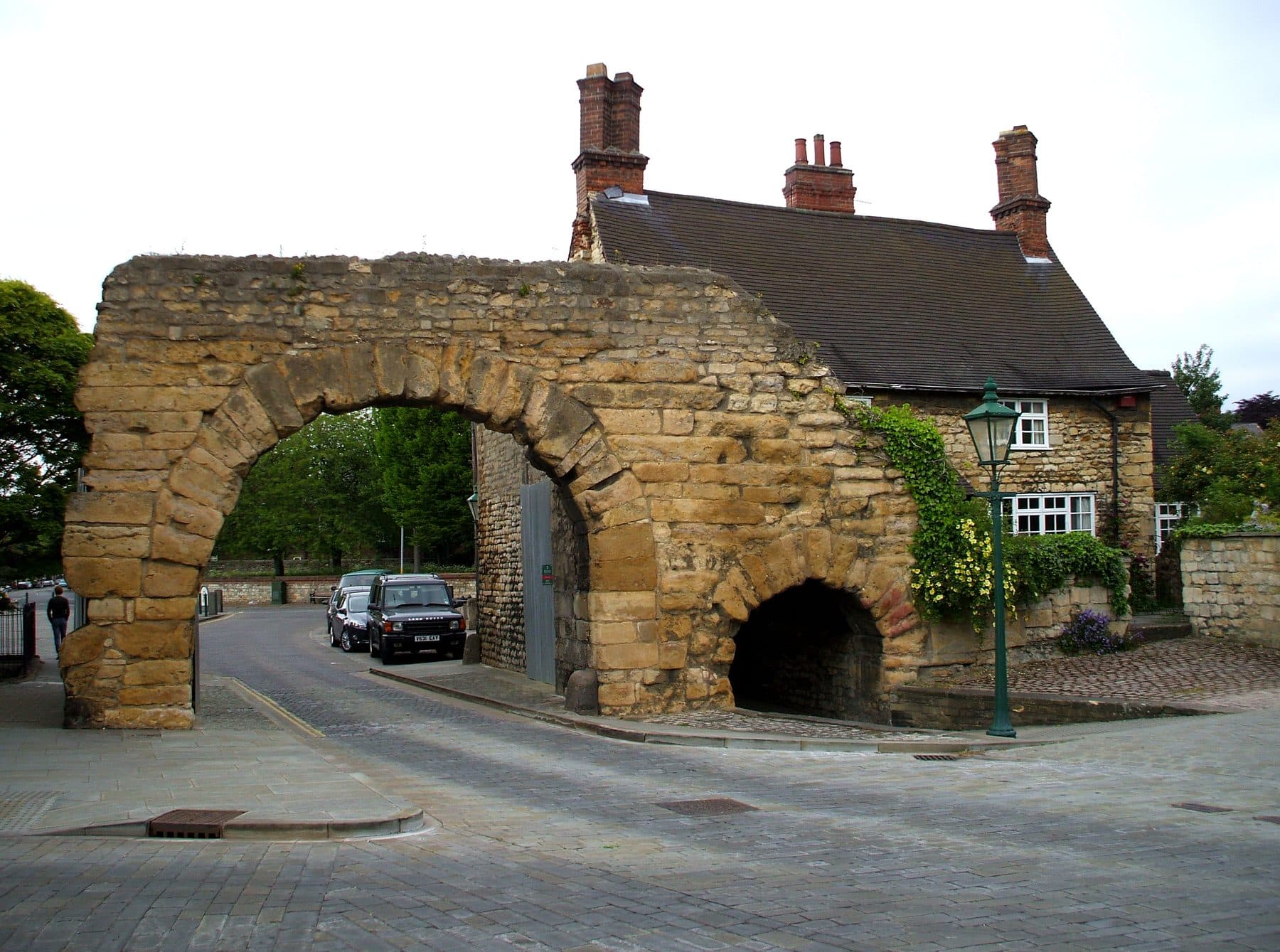
Newport Arch in Lincoln
Image: Newport Arch via Wikimedia Commons, licensed under Wikimedia Commons file licence.

How to use it

Treat this section like a second pass through the city

The best hidden-corner pages do not compete with the main landmarks. They deepen them. Open this section once you already know where the Cathedral Quarter, Steep Hill, and Brayford sit in relation to one another.

Quiet read

Best after

Cathedral and castle

Good with

Coffee or long lunch

Best pace

Slow afternoon

Use it when you want Lincoln to feel less like a visitor circuit and more like a place with edges, pauses, and quieter character.

These are the stretches that often work best on a return visit, a slower afternoon, or a day when you care more about atmosphere than coverage.

They also pair naturally with coffee, lunch, and shorter walking decisions, which is often what makes the whole city feel better paced.

Places to drift

Three quieter Lincoln moves worth building into the day

Instead of filling this page with tiny cards, the better approach is to highlight a few real shifts in atmosphere that visitors can actually use.

Lower edge of the Cathedral Quarter

The Strait and its quieter shopfront rhythm

The Strait is one of the best places to feel Lincoln shift out of landmark mode. It links the foot of Steep Hill with the lower city, and the reward is not one headline sight but a more intimate run of independent frontages, details in windows, and a slower urban scale.

Near the upper city

Temple Gardens for a pause between streets

Temple Gardens works well as a reset point once the Cathedral Quarter has started to feel visually dense. It gives the route a small green interruption and helps a walking day breathe without breaking its shape.

North of the main visitor core

Newport and the edges beyond Bailgate

Once you move beyond the busiest section of Bailgate, Lincoln starts to feel less staged and more lived in. The Newport stretch is useful for repeat visitors because it keeps the Roman and medieval context nearby while opening the city out a little.

Editorial angle

What quieter Lincoln is really good for

This is the section that helps the brand feel more authored. It shows visitors that the site is interested in how the city feels between major landmarks, not just in naming the landmarks themselves.

In practice, that means recommending mood, pacing, and better small-scale decisions, not just another list of named places.

Best used after the obvious sights

Hidden corners work best once Lincoln Cathedral, Lincoln Castle, and Steep Hill have already given the city its structure. After that, smaller lanes and less-telegraphed details start to feel rewarding rather than vague.

Look for texture, not a checklist

This part of the site is less about ticking off named attractions and more about noticing stonework, signage, courtyards, gradients, old shopfronts, and the quieter moments between major stops.

Pair it with food or a shorter route

The softer version of Lincoln usually comes from combining quieter streets with one strong coffee stop, a long lunch, or an easier lower-city finish rather than trying to build a whole day from hidden finds alone.

Next steps

Best paired with routes, landmarks, and food stops

Hidden corners is strongest as a supporting section, so the clearest onward links should help visitors turn atmosphere into a practical day.